Reset. Realign,Rise
test content only
By Neil Broere and the Slow Architecture of Community Change
In a small workshop behind his home in Lexington, North Carolina, Neil Broere faced a decision that seemed, at first, professional.
He was a musician. Nashville was an option. A move would mean pursuing music more seriously. Staying would mean letting the ambition go. Standing alone in what he later called a “little woodshed,” he voiced a simple sentence: “God, I don’t know what to do.”
What followed, he says, was not an audible voice but an internal confrontation: Do you believe that I’m real? For seven days, he wrestled. Raised in church, he knew enough not to dismiss the question lightly. But this time he counted the cost. After a week, he returned to that same workshop and surrendered. “Yes, Jesus… I give my life to you.”
He was 30 years old.
That moment did not launch him into public leadership. It reset him.
RESET: The End of Self-Authored Plans
Broere describes his early adult years as a season of “living for myself, building my own kingdom.” His conversion was less an emotional revival than a transfer of authority. He told his wife, Lindsey, “Everything’s changing. We’re living for Jesus now.” She responded, “Good. It’s about time.” She had been praying for him for three months.
The reset was private and unseen. There was no congregation present. No applause. Just surrender.
Within a few years, that surrender began to take geographic shape. During his first semester at a Bible school in Charlotte in 2011, Broere recounts a powerful experience during worship: a vision of standing on a cliff overlooking a vast desert valley filled with millions of people. He says he sensed Jesus beside him saying, “I have little ones here who don’t know me, but I know them, and I need you to tell them about me.”
Over the next four to five years, he traveled to the Middle East, praying into what he believed was a calling taking form.
Eventually, he and his family relocated to Iraq, where they spent approximately six years as missionaries.
They planted churches. They evangelized on the streets. He describes passing out Bibles and praying for people in cities, including Mosul and Baghdad. “It was an absolutely wild time to be a believer in a place like Iraq,” he reflects.
But the defining shift was not geographic. It was philosophical.
“You’re a guest,” he says of entering another nation. Even if you come with conviction and calling, you enter cultures where generations have prayed and labored before you. Neil’s instinct became to ask the Lord: “What are You already doing here? Who have You called here? How can I serve them? ”
Reset dismantled personal ambition. It also dismantled assumptions about control.
REALIGN: From Funding to Formation
After six years in Iraq, Broere returned to the United States. He now pastors on the central coast of California and has lived there for about three years. But his global work did not end.
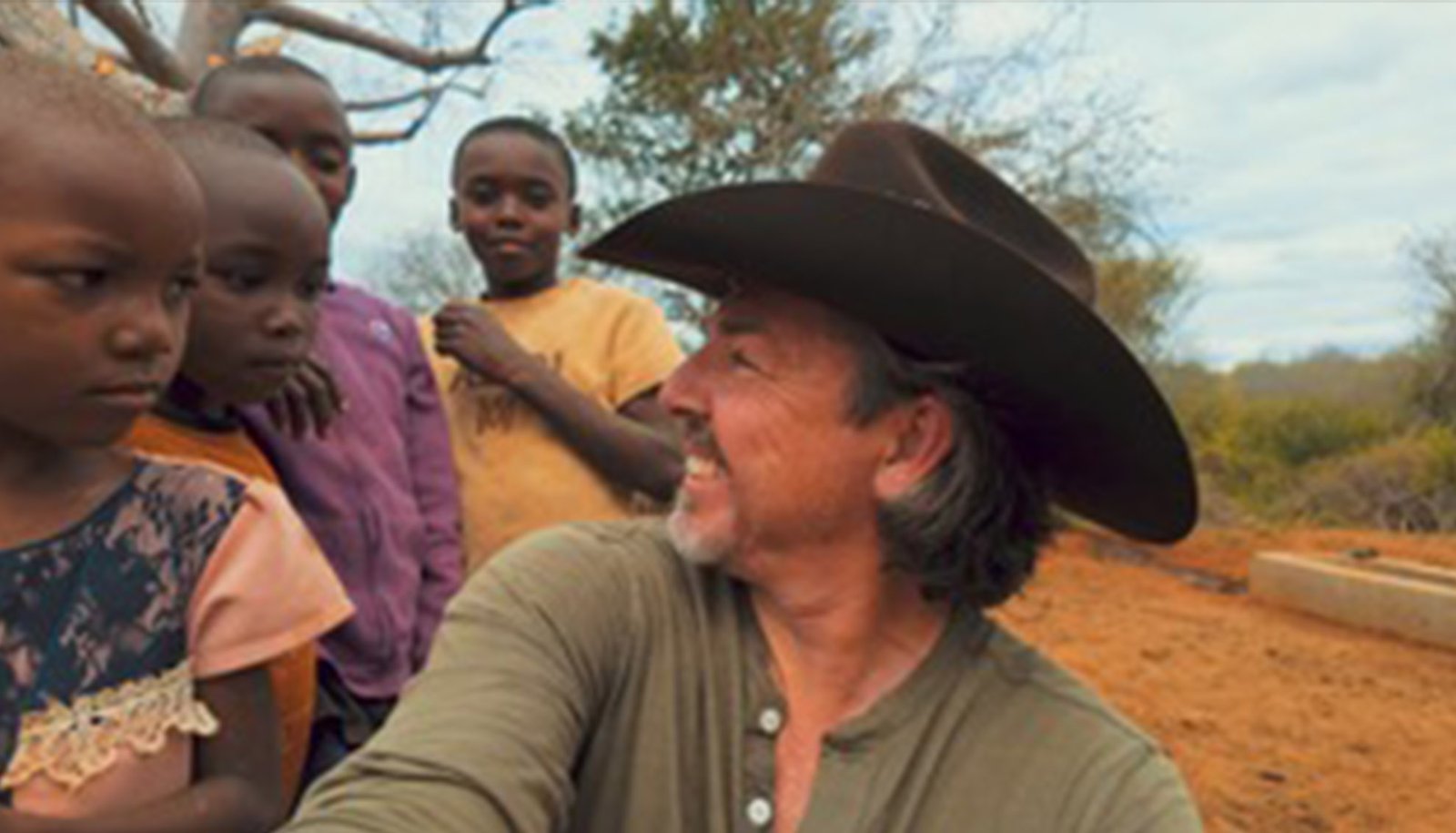
Most recently, he was asked to serve as Global Director of Becoming Love, a ministry that has operated in Africa for about 15 years, including the drilling of water wells in Kenya and Tanzania. On his first trip in this role, he traveled to Kenya to observe the existing work.
He visited rural villages approximately 4 hours outside Nairobi. The tangible needs were evident. But so were other realities.
He met pastors who had been placed into leadership roles out of necessity, many with little formal Bible training or structured discipleship. The organization had addressed physical infrastructure. Now, he sensed a need to deepen spiritual infrastructure.
That realization marked a realignment.
Becoming Love would continue to address tangible needs, such as water access. But the work would also expand into pastor training, discipleship initiatives, conferences, and the development of a prayer center, requested locally as a space not only for prayer but for learning how to pray.
Broere is candid about a misconception he believes many Western Christians carry: that American money can solve international problems. “It’s a short-term band-aid,” he says. Financial resources matter, but they do not address deeper ideological, theological, or spiritual dynamics he has observed, including syncretism and other entrenched belief systems.
For him, sustainable community change requires more than funding. It requires formation.
He extends that conviction to the broader global church. Historically, he notes, Western churches have funded indigenous pastors’ salaries without necessarily discipling them “as if they were one of your own disciples.” If church is family, then global engagement must reflect family, not transaction.
Realignment, in his framework, is relational.
RISE: Strength Through Waiting
If reset is surrender and realignment is recalibration, then rise, according to Broere, often unfolds slowly.
Returning to California after years overseas required adjustment. Life in Iraq felt slower, he says. The American pace runs “in fifth gear going 90 miles an hour.” He also returned to what he describes as a “post Covid western church expression,” particularly in California, where many had grown accustomed to engaging church digitally from home.
His response has not been reactionary.
Instead, he emphasizes embodied community: believers gathering, sharing life, meeting at tables and in living rooms, expressing church as family rather than a once-a-week event.
But perhaps the most defining theme of his leadership is waiting.
“The pace of God’s tempo is so much slower than mine,” he says. He interprets seasons of delay not as stagnation but as formation periods in which character is shaped to sustain future responsibility. He references biblical narratives of prolonged preparation, Moses, David, and Abraham, as examples of this divine rhythm.
So central is this conviction that his family’s custom license plate reads: “rest and wait.”
Prayer, he adds, anchors everything.
Borrowing a quote commonly attributed to Martin Luther, “I have so much to do today, I must pray for three hours,” he describes prayer as oxygen. Without it, he says, impatience and strain surface quickly, first internally, then relationally.
For leaders navigating global complexity, this is not peripheral advice. It is structural.
Strengthening the Local by Serving the Global
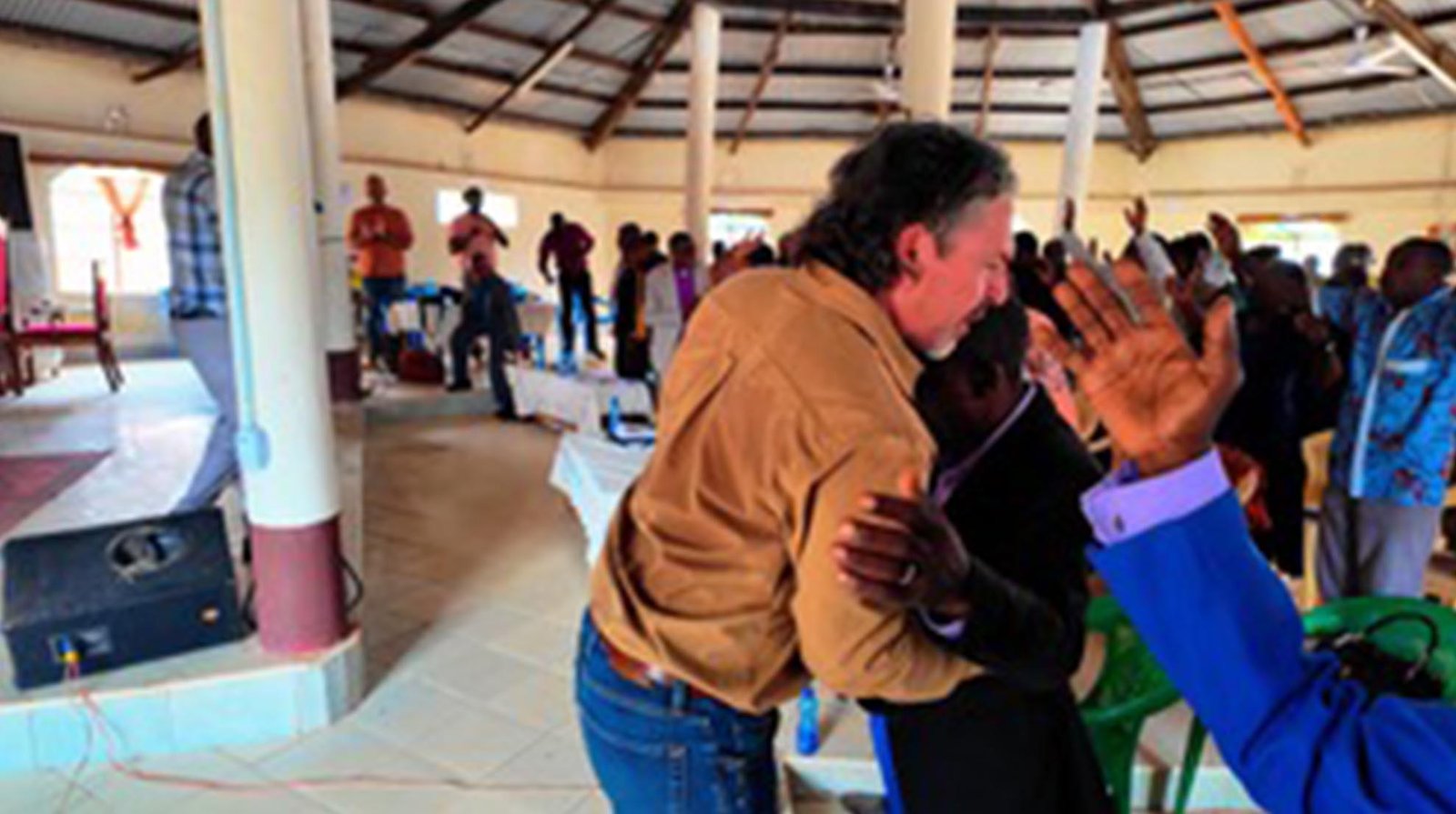
On a recent trip to Kenya, Broere says he sensed the Lord speaking a clarifying phrase: “Strengthen the local church by serving the global church.”
The logic is counterintuitive. Yet he argues that short-term mission trips often deepen the faith of those who go, even as they contribute abroad. Exposure to what God is doing in other parts of the world strengthens local congregations upon return.
For leaders, he recommends discernment. Strategies that proved effective in previous generations will not necessarily remain effective indefinitely. Listening for what the Holy Spirit is saying in the present moment, in his view, is essential for genuine transformation rather than institutional maintenance.
Community change, then, is not spectacle. It is sustained obedience locally and globally.
At the close of the conversation, Broere offers a final provocation: “You have as much of God as you want. How much of God do you actually want?”
For a church navigating a new year and perhaps a new era, the question reframes ambition. Reset may require relinquishing control. Realignment may demand relational depth over financial efficiency. Rise may look less like acceleration and more like endurance.
Neil Broere’s story does not present a formula. It presents a pattern: surrender, humility, formation, and a long view of transformation.
And in a world eager for immediate outcomes, that slower architecture may be the most radical change of all.
Jan/Feb 2026: Neil Broere