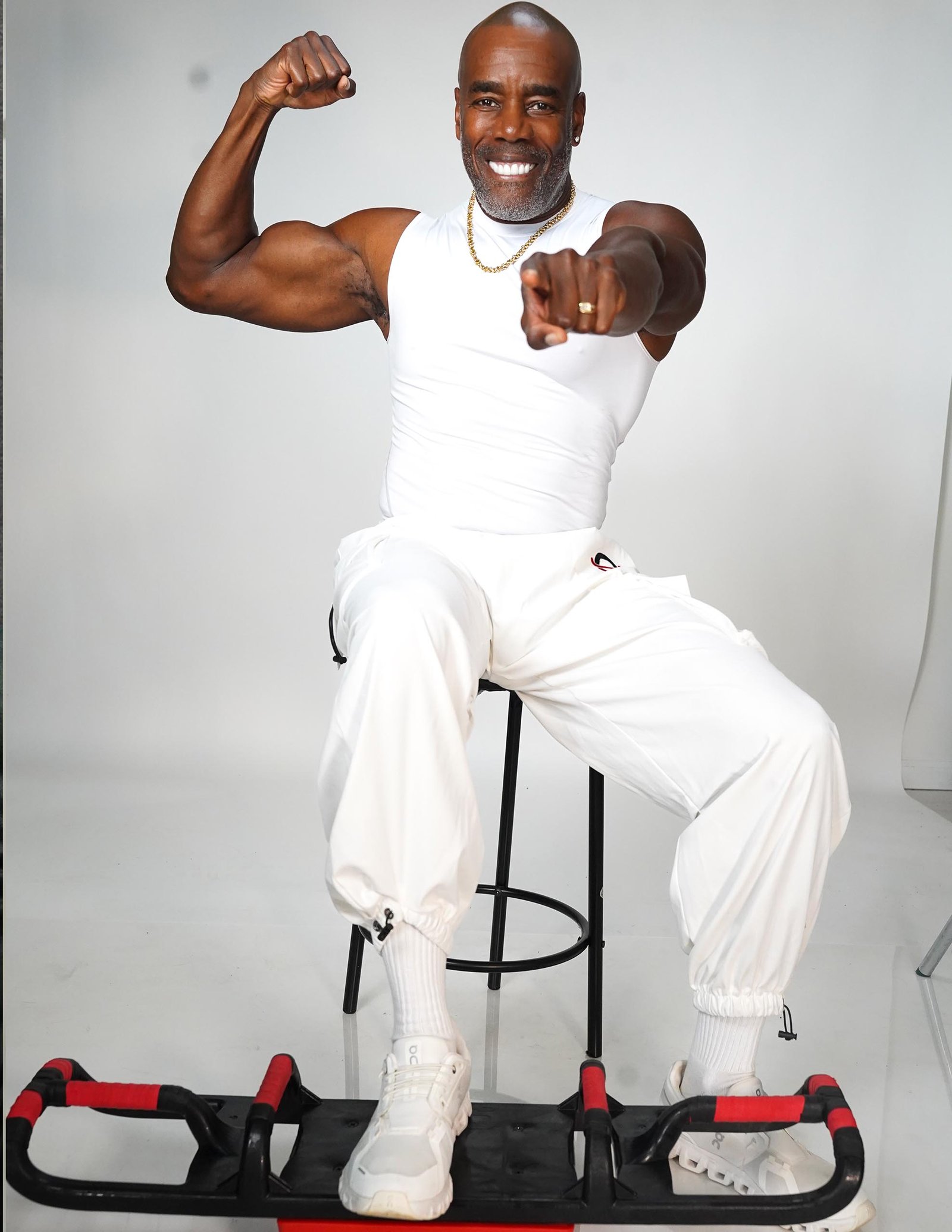
From the Pulpit to The Gym: Earl Jenkins’ Radical Reset After the Storm
By Earl Jenkins
From the Pulpit to The Gym: Earl Jenkins’ Radical Reset After the Storm
How one pastor’s divine redirection birthed a new kind of ministry, reshaped by grief, clarity, and the will to rise again.
The Shift No One Saw Coming
You don’t expect a pastor to talk about glutes and core strength in the same breath as prayer and purpose. But then again, not many pastors are Earl Jenkins.
When the pandemic emptied pews and filled hospital wards, Jenkins, a seasoned pastor with decades of ministry behind him, found himself at a spiritual crossroads. The building was full of debt and mildew, but it was the silence, not the mildew, that spoke volumes.
“I had to ask myself,” Jenkins recalls, “What do I do when the people don’t come back? When the church doesn’t look like what I built?”
What followed was not a breakdown, but a breakthrough. He sold the 48,000-square-foot church building he once saw as his legacy. He walked away from the pulpit but not the call. In doing so, he entered an entirely new phase of ministry, one where physical health, spiritual vitality, and divine purpose intersect.
This is the story of a man who didn’t just weather a storm; he rebuilt the boat mid-sea.
Jazz, Jesus, and the Unexpected Call
Born and raised in New Brunswick, New Jersey, Earl Jenkins’ early years were steeped in music. “My brother and I came out of the hood singing,” he said. “We were raised in that atmosphere.”
Music opened doors early. Discovered by jazz artist Ernie Scott and mentored by gospel legends like Betty Davis and James Walker, the Jenkins brothers found themselves performing off-Broadway and eventually landing a recording deal after winning the 1986 McDonald’s Gospel Fest.
They weren’t just making music; they were shaping soundtracks for a generation of believers.
But as Jenkins tells it, ministry was always simmering beneath the surface.
“I always had a message,” he said. “Even on the road, the group was my church. I preached to them before I preached to anybody.”
The full transition came unexpectedly, what he now calls a “divine disruption.” His brother fell ill before a performance in Atlantic City, so Jenkins went alone. When he arrived, he was mistakenly introduced as the evening’s preacher. “I said to my mother, ‘Did you tell them I’m preaching?’ I didn’t come to preach!”
He did anyway, and he’s been preaching ever since.
The Pandemic and the Pivot
The pandemic didn’t just shake Jenkins’ church; it broke it open. Like many pastors, he watched online attendance fluctuate while the physical building sat empty.
But the true wake-up call came from what he calls “a mass dying of generals,” seasoned pastors and bishops passing away during COVID-19.
“These were prayed-up people,” he said. “They didn’t die because they weren’t spiritual. They died because they didn’t understand health. Prayer couldn’t save them from pre-existing conditions.”
That stark reality became the seed for Jenkins’ next ministry: body and temple wellness. What he had always done, personally staying fit and understanding nutrition, now became a divine assignment.
“I realized the Lord was calling me to focus not just on the church building, but the temple… the body. That’s where He really lives.”
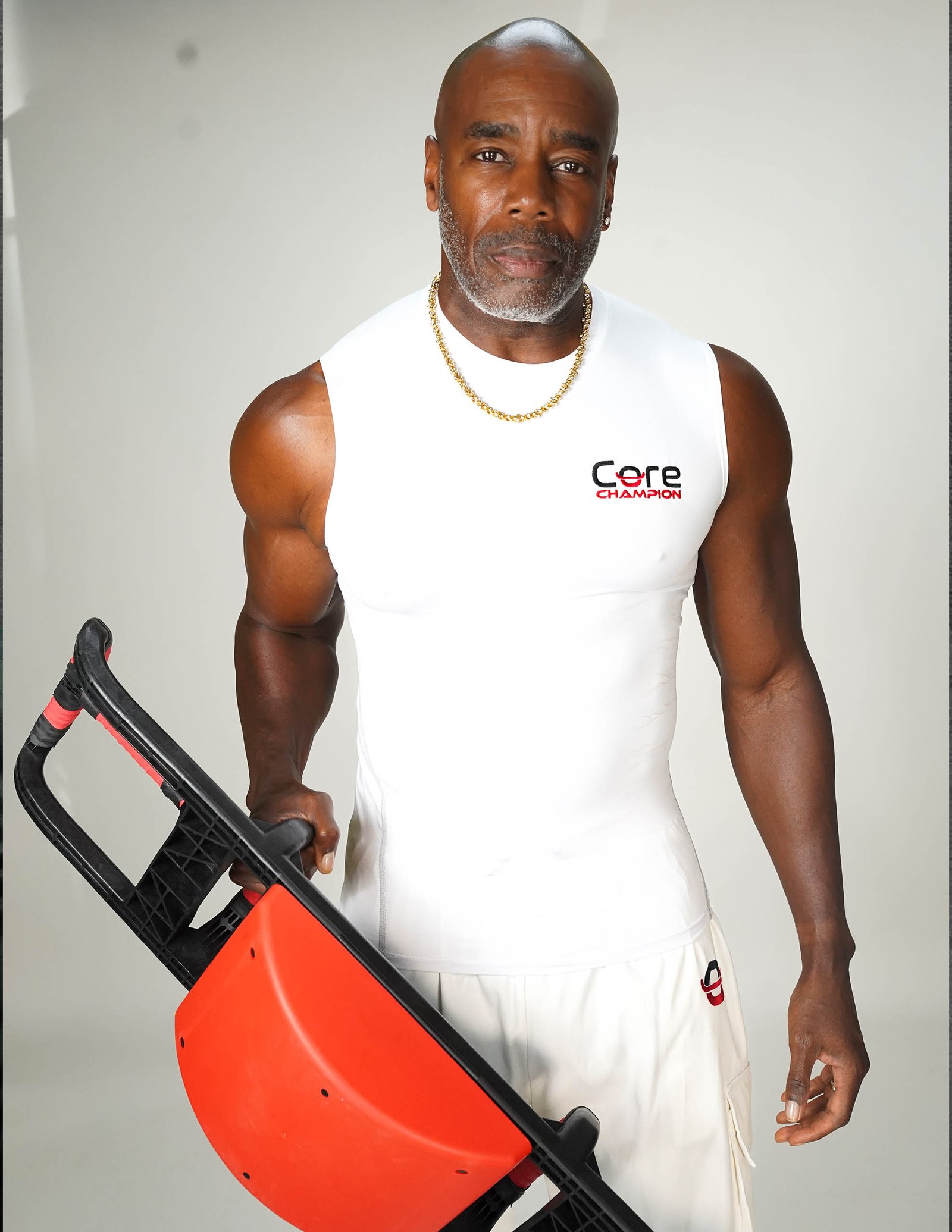
Jenkins returned to school for sports medicine and finally completed a fitness device he had been designing for 13 years. The Unlimited Body Trainer launched during the pandemic and with it, a new movement.
Caption: Pastor Earl Jenkins standing beside his Unlimited Body Trainer, a symbol of his health-first ministry approach.
Letting Go: The Church, The Dream, The Plan
Selling the church building wasn’t just a financial move; it was a spiritual surrender.
“It wasn’t defeat,” he says. “It was redirection.”
Jenkins had poured everything into the church. Even as funds dried up, he pressed on, maxing out credit cards, praying through sleepless nights. At one point, he couldn’t even afford a case of water. “I sat in the car and thought, ‘My God. I have nothing left.”
But faith isn’t just believing; it’s acting, even when the outcome is unclear.
“I told God, ‘If this is really You, sell the building without me lifting a finger.’ And three months later, a Hispanic congregation came out of nowhere and bought it, no advertising, no bank. Just boom. Done.”
Letting go wasn’t easy. The church was his legacy, his labor. But Jenkins had already learned that ministry doesn’t always look like a pulpit.
“The early church didn’t stay in one place. They went out. We got stuck in buildings. God had to disrupt that.”
Redefining Ministry: Sweat, Salvation, and Second Chances
These days, Earl Jenkins is less concerned with sermons and more concerned with stamina.
“I’m not saying I stopped preaching,” he says. “I’m saying the message moved.”
Through his fitness company, Jenkins now works with at-risk youth, the juvenile justice system, and anyone willing to reclaim their health. He helps certify young people in personal training so they can start careers or join his growing network.
His approach is holistic: nutrition, movement, mental health, and prayer. But it’s the theology behind it all that makes his work revolutionary.
“If Jesus wasn’t in shape, He wouldn’t have been able to carry that cross,” he says. “He walked miles every day. His body mattered for His purpose. So does yours.”
He quotes a familiar scripture: “He that began a good work in you…” and then pauses.
“That doesn’t mean God will finish it. It means He’s given you everything you need to finish it yourself.”
Purpose That Survives Pain
Jenkins’ life has been riddled with defining moments, many of them painful. He’s buried loved ones and faced betrayal. Endured church splits. Lost his sister and best friend, a beloved evangelist, to AIDS.
But even that became part of his calling.
“She ran the church,” he said. “And when she died, people left. I was so distracted by the drama; I didn’t even process her death until a year and a half later.”
He likens it to Jonah being swallowed by the whale: “The storm was bad. The water was worse. But the whale, though it seemed terrible, actually saved his life. Sometimes what looks like your lowest point is God keeping you alive.”
Faith When the Plan Fails
So what happens when everything you thought you were building begins to crumble?
“You don’t change the goal,” Jenkins says. “You just change the plan.”
He describes faith not as magic, but as motion: an active commitment to trust God’s purpose even when the details don’t make sense.
“Faith without works is dead. You have to move, act as if what you’re hoping for is already working in your favor.”
Every morning, he still rises at 4 a.m. to pray a discipline formed in childhood by his mother, who used to clean doctors’ homes and come home weeping, asking God for better. Her tears became his focus. He promised her as a boy: One day, I’ll build you a house so you never have to worry again.
And he did.
She lives in that house to this day. And every time he sees the light beneath her door at 4 a.m., he remembers why he started—and why he must keep going.
Words for the Disrupted
To anyone feeling lost, derailed, or left behind by life’s harsh turns, Jenkins offers this:
“You’re not defeated. You’ve just been redirected. Hold on to the profession of your faith. Don’t let go.”
In his mentorship programs, SEED for young men and Ladies in Waiting for girls, he teaches this principle: “Graded absolutism. Even in the worst of situations, extract the good. Replace the pain with the purpose.”
Whether you’re a pastor, a parent, a dreamer, or simply someone trying to hold on, Jenkins’ story offers a quiet but powerful truth: You can start again even when you never planned to.
The Real Temple
As the world talks about “New Year, New Me,” Earl Jenkins embodies it quite literally. His ministry has moved from Sunday sermons to weekday workouts, from choir robes to training gear.
He believes that the church is not just a place, but a people. And that people, God’s people, need to be whole: mind, body, and spirit.
“You can’t serve well on your back,” he says. “Breathing isn’t the same as living. Don’t just exist. Live with purpose. Move with intention.”
And for anyone wondering whether they’ve missed their moment, whether disruption means disqualification, he has this final word:
“There’s no victory in the grave. Don’t die full. Don’t let your assignment outlive you. Your body is your first ministry. Take care of it. You’ve still got work to do.”
Nov/Dec 2025: Earl Jenkins