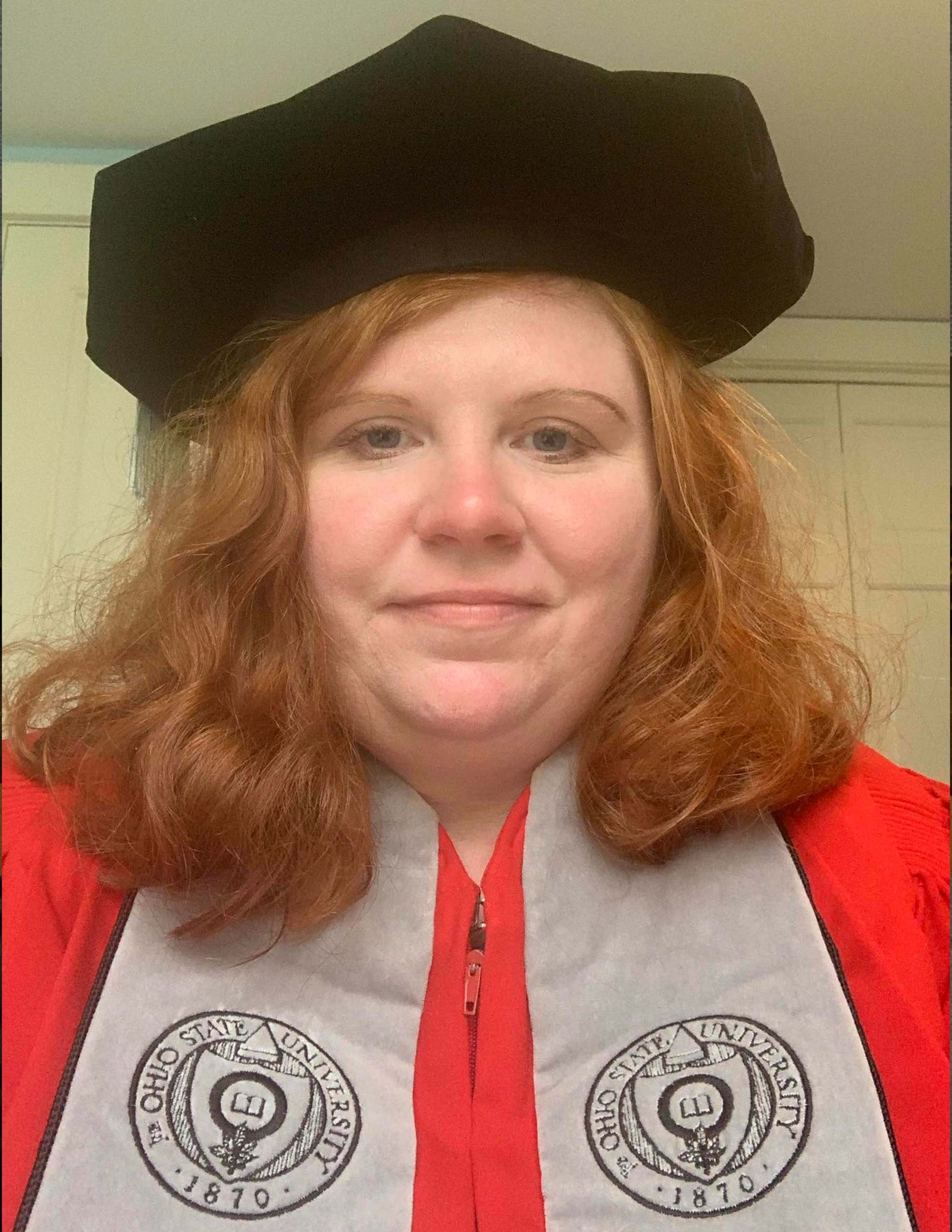
Faith in the Lab: How Chemist Elizabeth Gregor Sees God in Scientific Discovery
By: Thandolwethu Ntshebe
For many people, science and faith sit on opposite sides of a debate, as if one must choose between believing in Scripture or trusting scientific discovery. But for Elizabeth Gregor, known online as chemist4christ, the two are not rivals. They are partners in revealing the same truth: God is the Creator, the Sustainer, and the greatest Scientist of all time.
In this insightful conversation for YuKanFaith’s Christian Education Section, Elizabeth shares how her work as a chemist deepens her faith, how Scripture illuminates scientific inquiry, and why Christians in STEM should stand firm, confident, and unafraid.
God: The Original Scientist
Elizabeth begins with a statement that resets the entire conversation:
“Jesus is the best scientist there ever was.”
To her, scientific discovery isn’t a separate pursuit; it’s humanity uncovering what God has already designed. She prays over her research, sings hymns while working, and invites the Holy Spirit into her decision-making, whether choosing a project or troubleshooting an experiment.
Just as the Bible reveals God progressively, Elizabeth notes that science also unfolds gradually. Our understanding of atoms has shifted repeatedly over the last century. In both faith and science, the more we learn, the more we realize how much there is still left to discover.
Romans 1 reminds us that creation itself testifies of the Creator. For Elizabeth, this truth isn’t metaphorical; it is visible every day she steps into the lab.
Creation, the Big Bang & the Bible
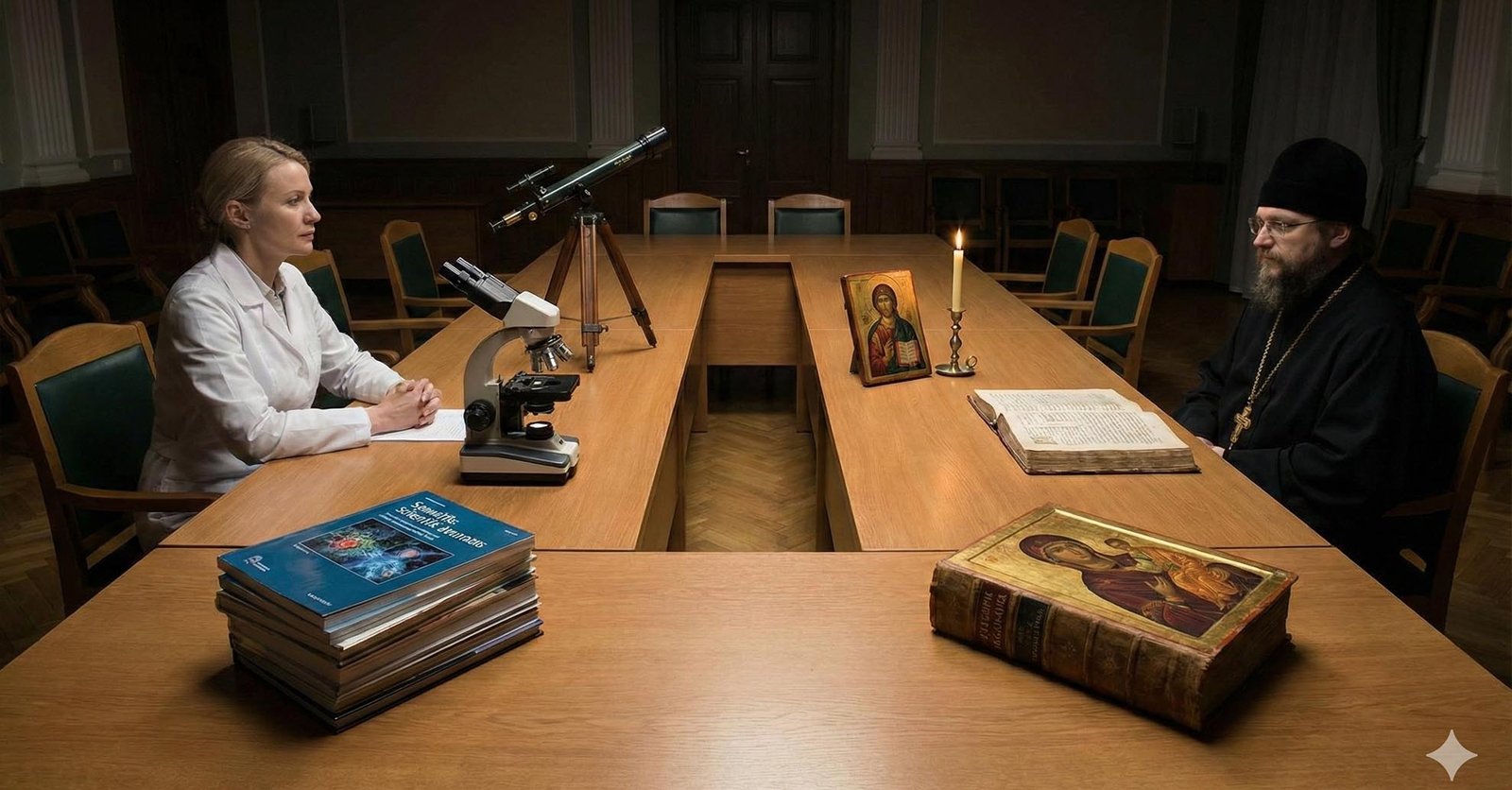
The tension between the Big Bang theory and the Genesis creation story often challenges believers. Elizabeth offers a grounded, faith-filled perspective:
- Many modern scientific theories rely on concepts (like quantum mechanics or entanglement) that defy intuition.
- The Big Bang assumes everything came from nothing, which contradicts basic scientific logic.
- Scripture never claims to be a science textbook, but it does tell us who created the universe.
Her point is simple:
Whether in six days or by processes we cannot yet understand, God is the Source. Science describes how creation behaves; Scripture reveals who created it and why.
Chemistry & the Character of God
When Elizabeth studies chemistry, she sees God everywhere, in the laws, patterns, consistency, and even the exceptions.
She draws parallels between:
- The unchanging nature of God’s Word and the predictable laws of nature.
- The personal nature of God and the way chemical environments create different outcomes in different conditions.
- Biblical principles and the reliability of scientific laws function whether we “believe” in them or not.
Just as the Old Testament gave Israel rules to understand God’s holiness, scientific “rules” give us a glimpse into God’s order and brilliance. But Jesus makes the relationship personal, and Elizabeth says our walk with God mirrors how science moves from general principles to deeper understanding.
Miracles & Scientific Laws
Students often ask whether miracles violate science. Elizabeth offers a simple, profound answer:
“By definition, a miracle is something unexpected. Science has exceptions too.”
She explains that God does not limit Himself to the natural laws He created. Miracles, whether dramatic healings or quiet, divine interventions, reveal His authority.
Elizabeth even sees miracles in her research: moments when God gives supernatural wisdom, exposes dead-end projects, or guides her toward breakthrough ideas.
Not all miracles look like someone rising from a wheelchair. Some appear to be clarity, direction, or solutions that arrive right on time.
The Biggest Misconception Christians Have About Science
Elizabeth is honest: many Christians are afraid of science because they feel insecure in their understanding of Scripture. But fear has no place in the life of a believer.
“We can’t shy away. How will they know the Lord if we back away from these questions?”
She stresses that the church must build a stronger foundation for young Christians. With over 60% of believers leaving or drifting from faith in college, equipping them with both biblical truth and scientific literacy is essential.
How Science Has Matured Her Faith
Elizabeth’s deepest growth has not been merely intellectual; it has been spiritual and practical.
She emphasizes:
- Conduct matters: A Christian scientist must reflect Christ in character, integrity, and choices.
- Stewardship matters: Sustainability isn’t a trend; it’s obedience. God commanded us to care for the earth.
- Obedience matters: She follows the Holy Spirit even in professional decisions, refusing projects that contradict the value of human life.
Scientific study has strengthened her faith by revealing God’s intentional, intelligent design and by providing opportunities to practice Christian principles in challenging environments.
Advice for Young Christians in STEM
Elizabeth’s counsel is clear and urgent:
- Find a Christian mentor.
Someone grounded in faith who can support, correct, and pray for you.
- Stay in community.
No believer should walk alone—especially not in secular academic spaces.
- Stay rooted in the Word.
You cannot defend what you do not understand.
- Pray for wisdom often.
God delights in guiding His children, even in technical fields.
Scripture & Science: Where They Meet
One of Elizabeth’s most powerful analogies comes from chemistry:
- A catalyst changes form temporarily to make a reaction possible, then returns to its original state.
- Jesus, the Living Word, came from heaven, took on flesh, died, rose again, and returned to the Father.
This revelation helped her communicate the gospel effectively on a secular university campus.
It is a striking example of how science can illuminate Scripture rather than contradict it.
Wisdom in an Age of Misinformation
Elizabeth encourages believers to approach both science and media with discernment:
- Verify sources.
- Look for consistent evidence from multiple researchers.
- Pray before accepting any information as truth.
Just as God repeats essential truths throughout Scripture, reliable science is confirmed through multiple studies, not isolated claims.
The Final Message: A Life of Integration
Elizabeth concludes with a charge to every believer:
“God did not call us to live segmented lives.”
We should not be Christians on Sunday and scientists, engineers, teachers, or students on Monday.
Our faith informs every thought, every action, and every decision, including how we research, study, innovate, and work.
The intersection of Christianity and science is not a battleground; it is a meeting place where believers can reflect God’s wisdom, creativity, and truth.
Nov/Dec 2025: Elizabeth Gregor